
Navigating Roof Insurance Claims After Summer Storms
If you own a home in the greater St. Louis area, you already know that our weather can change in the blink of an eye. The transition from unpredictable Midwest spring storms into volatile summer weather often brings heavy rain, high winds, and damaging hail. When the skies finally clear, many homeowners are left staring at their roofs, wondering about the extent of the damage and dreading the complicated insurance process that might follow.
Dealing with property damage is stressful enough without having to navigate the confusing world of insurance adjusters, deductibles, and claim approvals. At Redwood Exteriors, we understand the anxiety that follows a severe weather event. Your home is your biggest investment, and protecting it is your top priority.
In this guide, we will walk you through everything you need to know about assessing storm damage, understanding your coverage, and successfully managing the claims process. Our goal is to empower you with the knowledge you need to make informed decisions and restore your home's safety and curb appeal without the unnecessary headaches.
How to Spot Storm and Hail Damage
After a severe weather event rolls through North County and the surrounding areas, the first step is determining whether your property actually sustained damage. Sometimes the signs are incredibly obvious. You might find entire shingles lying in your front yard, notice exposed patches on your roof deck, or see dented gutters and downspouts. However, weather-related wear and tear is often much more subtle and difficult to spot from the ground.
Many homeowners ask us about the specific signs of hail damage on asphalt shingles. Unlike wind damage, which typically tears or lifts materials, hail leaves distinct physical marks. You should look for small, dark spots where the protective granules have been knocked away, exposing the underlying asphalt. These bruised areas might look minor, but they compromise the structural integrity of the shingle, leading to leaks over time. You might also notice an excessive accumulation of mineral granules washing out of your downspouts after a heavy downpour.
Because climbing a ladder can be dangerous, we highly recommend having a professional evaluate the situation. Today, modern roofing technology allows us to conduct thorough, safe evaluations. We utilize high-resolution drone inspections to capture detailed aerial imagery of your property. This not only keeps everyone safe but also provides undeniable visual evidence that is incredibly useful when it comes time to discuss the situation with your insurance provider. If we find that your system has been compromised, we can quickly outline a plan for professional roof repair to prevent water from infiltrating your home.
Understanding Your Coverage and the Claims Process
One of the most common questions we hear is, does homeowners insurance cover wind damage to roof structures? In the vast majority of standard policies, the answer is yes. Most policies cover unpreventable acts of nature, including windstorms, hail, and fallen trees. However, the exact amount of coverage, your deductible, and the timeline for filing can vary significantly depending on your specific provider and policy details.
Figuring out exactly how to file a roof damage insurance claim can feel overwhelming, but breaking it down into steps makes it manageable. First, document everything. Take photos of any visible damage from the ground, including dented siding, broken windows, or damaged outdoor furniture, as these can support your claim. Next, contact a reputable local contractor for a comprehensive inspection and a detailed, written estimate. Having a professional assessment in hand before the insurance adjuster arrives ensures that no subtle damage is overlooked.
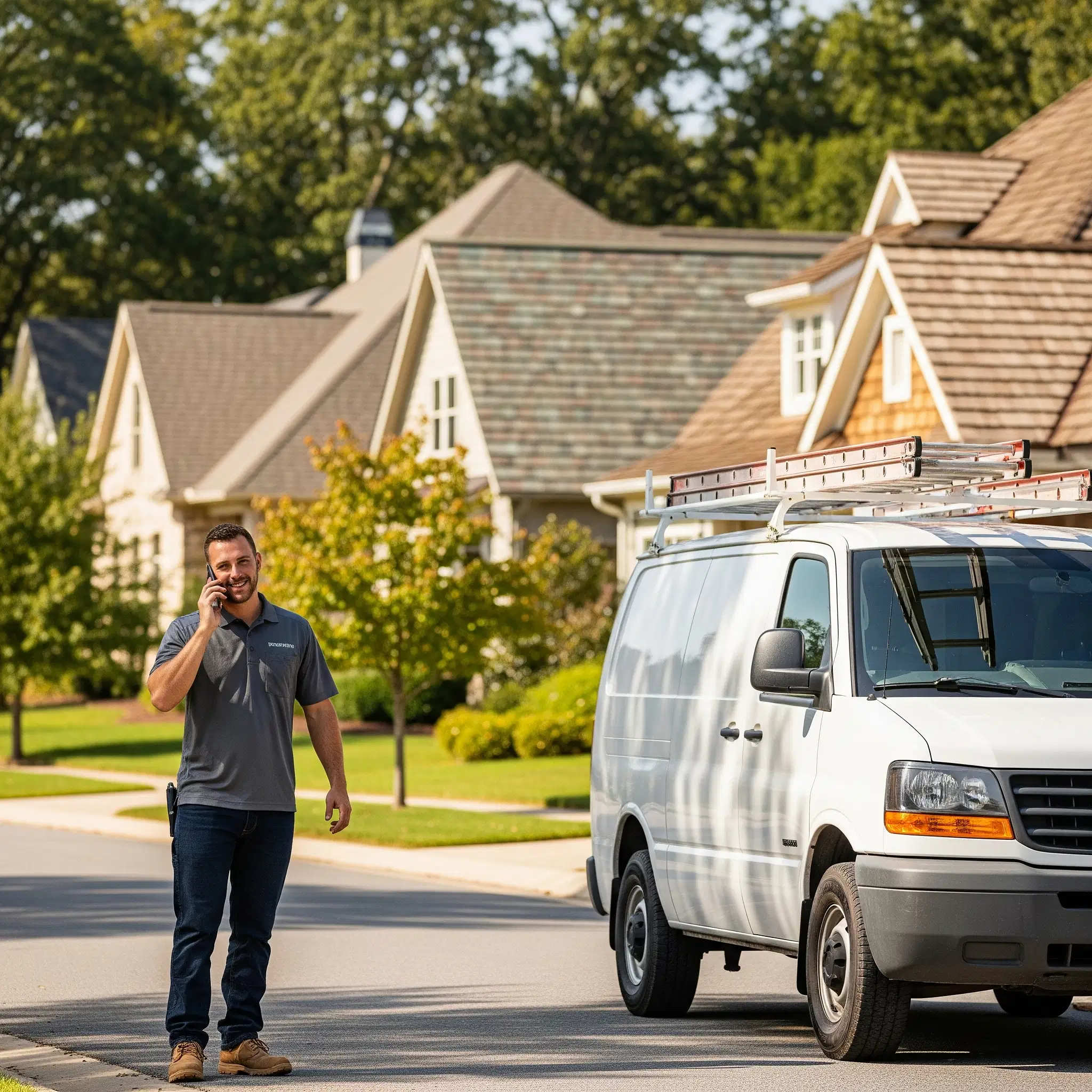
Unfortunately, the aftermath of a storm often brings out out-of-state storm chasers. These door-to-door salespeople flood the I-270 corridor after severe weather, promising quick fixes and waived deductibles. They often perform rushed, subpar work and vanish long before any warranty issues arise. Partnering with an established, local company ensures that your contractor understands local building codes, pulls the proper permits, and will be around to stand behind their workmanship for years to come. We work directly alongside our customers during the adjuster meetings to advocate on their behalf, ensuring the scope of work accurately reflects the true cost of restoration.
Deciding Between Repair and Replacement
Once the damage is assessed and the insurance claim is in motion, you will need to decide on the best path forward. If the damage is isolated to a small section and the overall structure is relatively new, a targeted repair might be the most cost-effective solution. However, if your home has sustained widespread hail impacts or if the materials are already nearing the end of their lifespan, a full replacement is usually the safer, more financially sound investment.
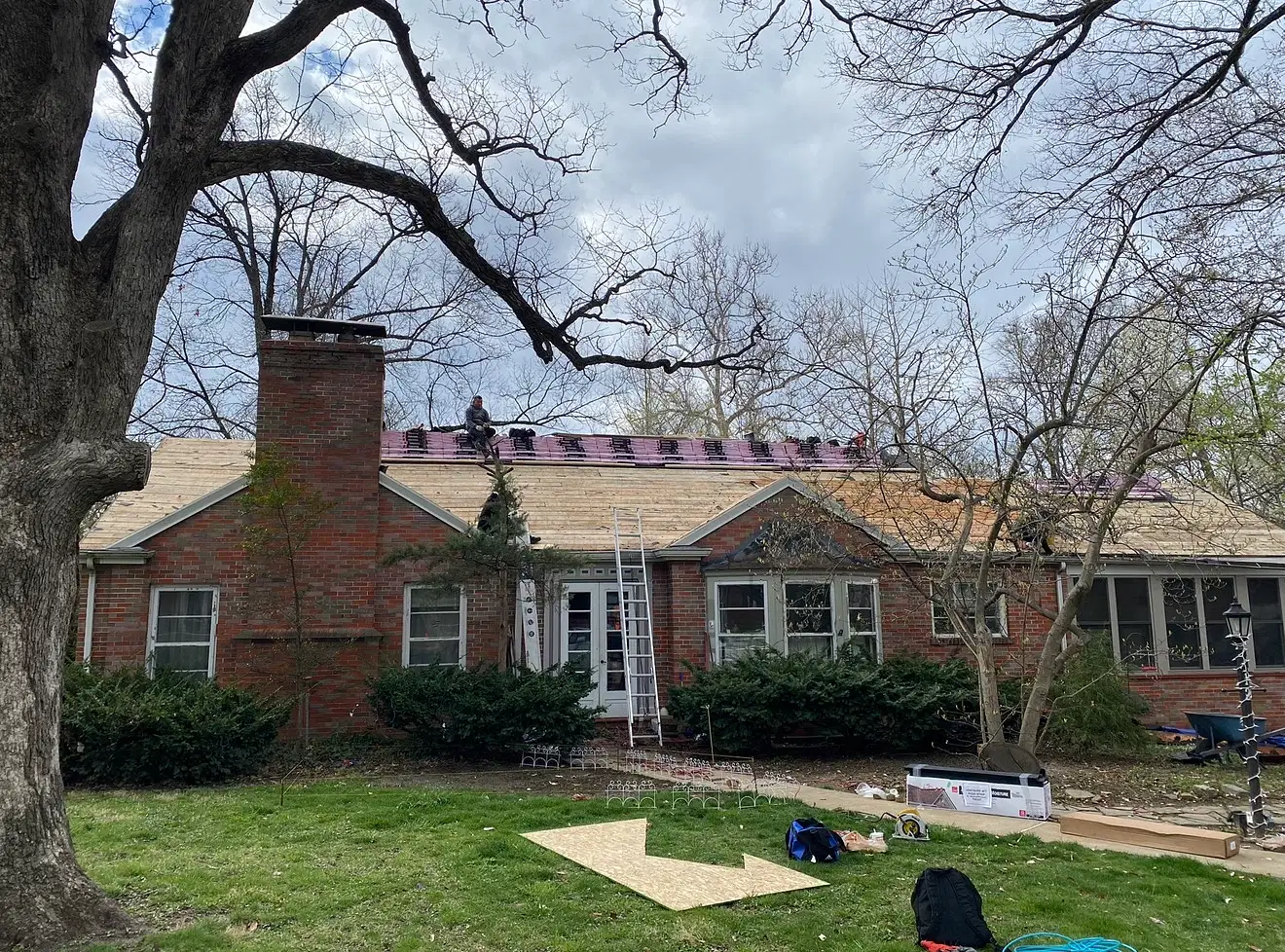
This is especially true for the beautiful mid-century ranches that make up so much of our local housing landscape. These classic homes often feature older roofing systems that may not meet current energy efficiency or wind resistance standards. A storm damage claim can actually present an opportunity to upgrade your home's defense system.
Many homeowners are now choosing to upgrade to Class 4 impact-resistant shingles during a roof installation. These advanced materials are specifically engineered to withstand severe weather, offering superior protection against future hail and high winds. While they represent a slightly higher initial investment, many insurance companies offer significant premium discounts for homes equipped with Class 4 shingles, making them a smart long-term financial decision that adds lasting value to your property.
Partner with a Local Team You Can Trust
Navigating the aftermath of a severe storm doesn't have to be a nightmare. By knowing what to look for, understanding your insurance policy, and avoiding high-pressure sales tactics from out-of-town crews, you can protect your home and your wallet. The key is acting quickly to prevent secondary water damage and choosing a contractor who genuinely cares about the community.
At Redwood Exteriors, we are proud to serve our neighbors throughout the St. Louis County area. We know the unique challenges that Midwest weather presents, and we have the expertise, the technology, and the local reputation to guide you through every step of the restoration process. From the initial drone inspection to the final nail, we prioritize transparency, quality craftsmanship, and your complete peace of mind.
If you suspect your home has been impacted by recent weather, don't wait for a leak to confirm it. Reach out to our team today to contact us for a comprehensive, no-obligation inspection. Let us help you take the stress out of storm damage and get your home back to looking its absolute best.